
4 Use Cases That Highlight the Power of Home Automation
Home automation has become a staple of modern living, integrating technology seamlessly into everyday tasks. This evolution in home technology offers unparalleled convenience, security, and energy efficiency, reshaping how we interact with our living spaces. As the demand grows, the U.S. smart home market is projected to reach $54.53 billion in 2026, showcasing a significant trend towards this digital transformation in our homes. Let's take a look at a few use cases that highlight the power of home automation services.
1. Smart Lighting Systems
Adaptive Scheduling
Smart lighting systems have revolutionized the way we illuminate our homes, with adaptive scheduling playing a key role. By learning your daily routines, these systems can adjust lighting according to the time of day and usage patterns. This means waking up gently with lights that mimic sunrise, or saving energy by dimming lights automatically during bright daylight hours. The ability to customize lighting schedules helps in creating an optimal environment that aligns with your lifestyle needs. In the larger context, adaptive scheduling within smart lighting systems is a step towards more energy-efficient and responsive living spaces.
Voice Control Integration
Voice control has brought a new dimension to home automation services, allowing for hands-free operation. Integrating with virtual assistants, smart lighting can be controlled effortlessly using simple voice commands. This interaction not only brings convenience but also enhances accessibility for those with physical limitations. Imagine turning off all the lights with a single voice command as you drift off to sleep, or brightening specific rooms as you enter them without lifting a finger. Voice-controlled smart lighting exemplifies how technology can seamlessly merge with our daily lives to enhance comfort and efficiency.
Energy Efficiency
Smart lighting systems significantly contribute to energy efficiency, a crucial benefit as energy costs rise and environmental concerns grow. By only using light when necessary and optimizing light intensity, these systems help reduce total energy consumption. Advanced sensors can detect when a room is unoccupied and switch off the lights, thus conserving energy continuously. With real-time energy monitoring, homeowners can track usage patterns and adjust settings to ensure optimal energy expenditure. The shift to smart lighting represents a broader commitment to sustainable living and responsibly managing our resources.
2. Automated Climate Control
Smart Thermostats
Smart thermostats have transformed how we manage home heating and cooling. These devices learn and adapt to your lifestyle, automatically optimizing climate control for comfort and energy savings. By using sensors and weather data, smart thermostats adjust temperatures according to real-time conditions, reducing unnecessary energy usage. Over time, these devices gain insights from user habits, improving efficiency by catering to specific heating and cooling needs. The automated capabilities of smart thermostats exemplify the seamless integration of intelligence within home environments.
Temperature Zoning
Temperature zoning is an innovative feature of home automation services, allowing for different climate conditions within various areas of a home. By assigning individual temperature settings to specific zones, comfort levels can be optimized based on activity and preference in each space. This provides the opportunity to save energy by focusing heating and cooling efforts only where needed, rather than uniformly throughout the house. Temperature zoning is particularly valuable in larger homes where climate requirements can vary greatly between rooms. Through this technology, users experience enhanced comfort while conserving energy and resources.
Weather-Based Adjustments
Automated climate control systems incorporate weather-based adjustments to enhance home energy efficiency and comfort. By accessing local weather forecasts, these systems can preemptively adjust settings to accommodate changing external temperatures. This preemptive control prevents sudden fluctuations in indoor temperature, providing consistent comfort while reducing energy strain. Proactive adjustments mean homes are prepared for temperature changes without manual intervention, highlighting the intelligence embedded within these systems. This feature ensures homes remain comfortable, efficient, and responsive to the natural environment beyond their walls.
3. Advanced Security Solutions
Smart Locks
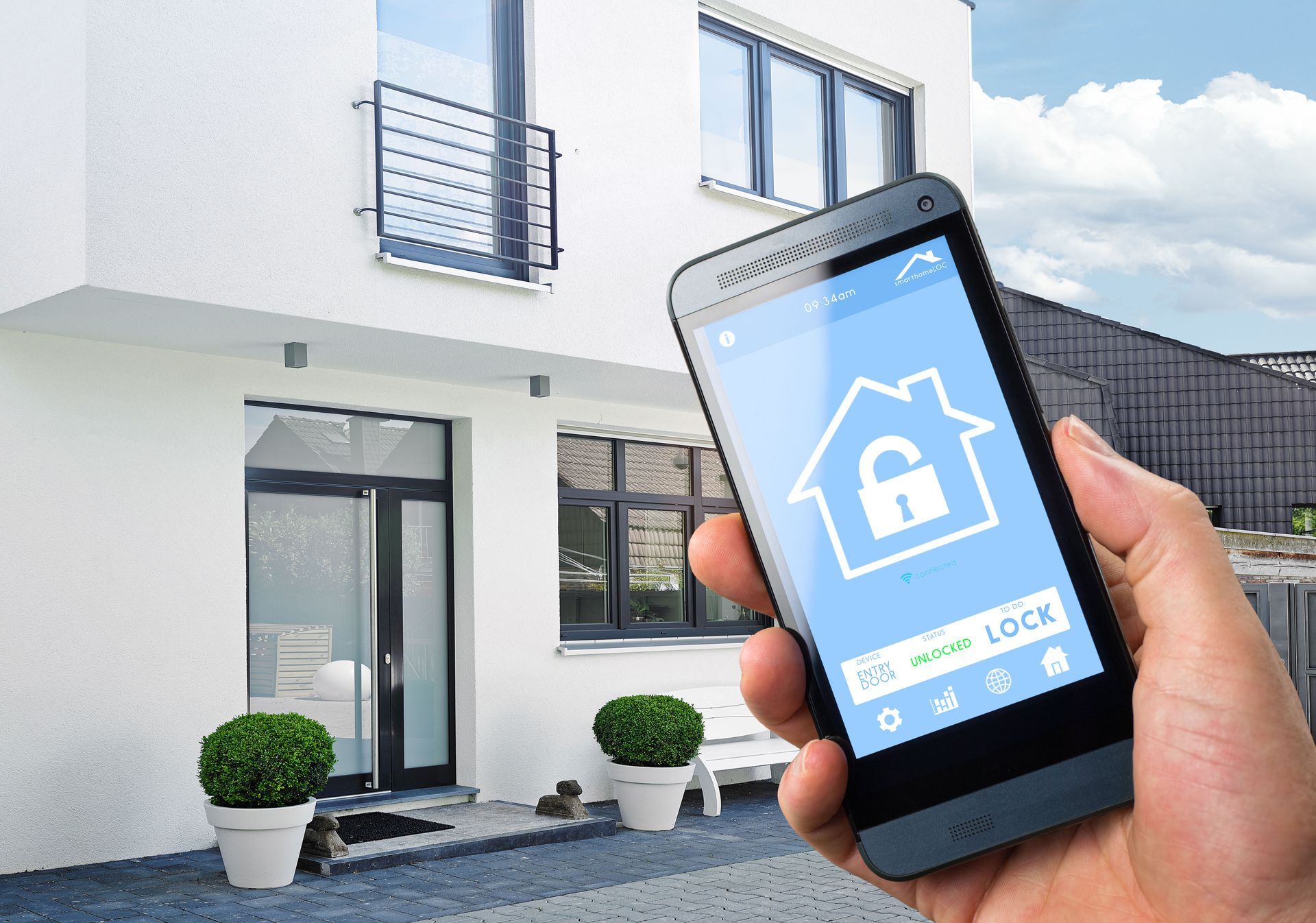
Smart locks represent a leap forward in home security by offering advanced protection and access control. These locks enable users to manage access remotely, granting entry to authorized individuals without the need for physical keys. With integrated apps, homeowners can monitor lock status, receive entry alerts, and customize access privileges. This technological advancement enhances security, ensuring homes remain protected and reducing the risk of unauthorized entry. Smart locks also offer convenience through features like keyless entry and automatic locking, making them indispensable in the realm of modern home security.
Surveillance Cameras
Modern surveillance cameras equipped with AI technology provide robust home security solutions, enhancing monitoring capabilities. These cameras offer real-time video feeds to smartphones and can feature facial recognition, motion detection, and smart alerts. AI-enhanced functionality allows for automatic identification of specific individuals, distinguishing between family members, visitors, and potential intruders. The integration with home automation systems ensures that security measures are proactive and comprehensive, providing a watchful eye over entry points and vulnerable areas. Enhanced surveillance technology underscores the shift towards intelligent, responsive security measures within the smart home ecosystem.
Motion Detectors
Motion detectors play a crucial role in home security by detecting unauthorized movement within designated spaces. These sensors can activate alarms, lights, and other security protocols when motion is detected, deterring intruders and alerting homeowners instantly. By integrating with other smart devices, motion detectors contribute to creating comprehensive and automated security routines. The customization of sensitivity and zones allows for tailored security measures, aligning with the homeowner's specific needs and preferences. Motion detectors embody the proactive essence of smart home security, offering peace of mind and protection against potential threats.
4. Enhanced Home Entertainment
Unified Control Systems
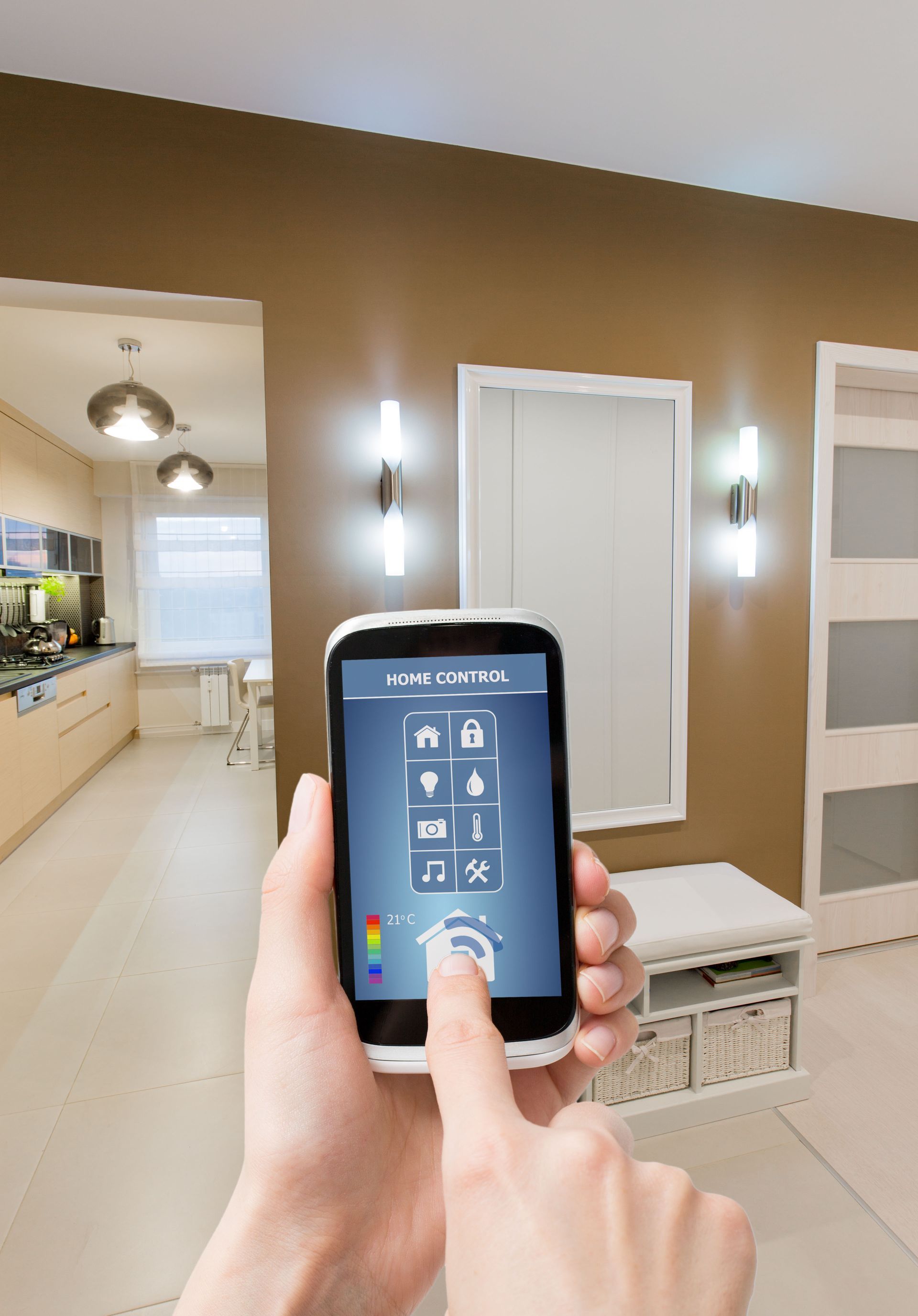
Unified control systems in home entertainment simplify management by bringing various devices under a single interface. Through hubs or apps, users can control TVs, sound systems, lighting, and more with ease. This centralization reduces the need for multiple remote controls, offering a streamlined experience that caters to user preferences and entertainment setups. Unified systems also enable seamless transitions between different media and activity modes, enhancing the enjoyment and functionality of home entertainment. The integration of entertainment technology underscores the potential for smarter, more connective living experiences within the home environment.
Customized Media Experiences
Customized media experiences allow users to tailor their entertainment based on personal preferences and situational needs. With smart technology, playlists can be curated, and ambient lighting adjusted to complement specific activities, such as movie watching or hosting parties. These personalized setups transform home spaces into dynamic entertainment environments, enhancing both visual and auditory elements. By integrating devices and home automation services, media experiences become adaptable and closely aligned with user desires. Customized entertainment showcases the versatility of smart systems, combining creativity and intelligence to maximize the enjoyment of home life.
Voice-Activated Controls
Voice-activated controls bring convenience and accessibility to home entertainment, allowing users to manage devices through simple commands. By integrating with virtual assistants like Siri or Google Assistant, users can play music, adjust volumes, switch channels, and more without needing to manually operate devices. This hands-free interaction not only adds to convenience but also enhances accessibility for individuals with mobility challenges. Voice-activated controls contribute to a seamless entertainment experience, reflecting the broader trend of interactivity and autonomy within smart home technologies. This advancement showcases how voice technology continues to transform user interfaces and engagement.
Home automation services are no longer a futuristic concept; they're a practical, transformative upgrade to modern living. By integrating intelligent solutions across lighting, climate, security, and entertainment, you can create spaces that are uniquely tailored to your lifestyle, comfort, and resource management needs. Get started today by reaching out to Vineyard Home!












Share On: