
Strategic Integration of Smart Home Systems for Long Term Property Value
The concept of the home has evolved from a simple shelter into a responsive environment that actively supports our lifestyle. As our lives become increasingly fast-paced, the demand for efficiency and convenience within our living spaces has reached an all-time high. Smart home systems represent the pinnacle of this evolution, offering a centralized way to manage everything from lighting and climate to security and entertainment. By integrating disparate devices into a cohesive network, homeowners can eliminate repetitive manual tasks and focus on what truly matters. This guide explores the transformative power of a connected home, highlighting how automation and intelligent control can turn a standard residence into a highly efficient, modern sanctuary.
The adoption of this technology is not just a trend for tech enthusiasts; it has become a defining characteristic of the modern homeowner. Younger generations, in particular, are leading the charge in normalizing integrated living environments. According to SQ Magazine, 44% of homeowners under age 35 use multiple smart home systems daily. This statistic underscores a significant shift in domestic priorities, where the ability to control one's environment via voice or smartphone is no longer viewed as a luxury, but as a foundational utility. As this demographic continues to grow, the integration of intelligent devices is becoming a standard expectation for any property aiming to offer a contemporary, high-quality living experience.
Centralizing Control for Effortless Management
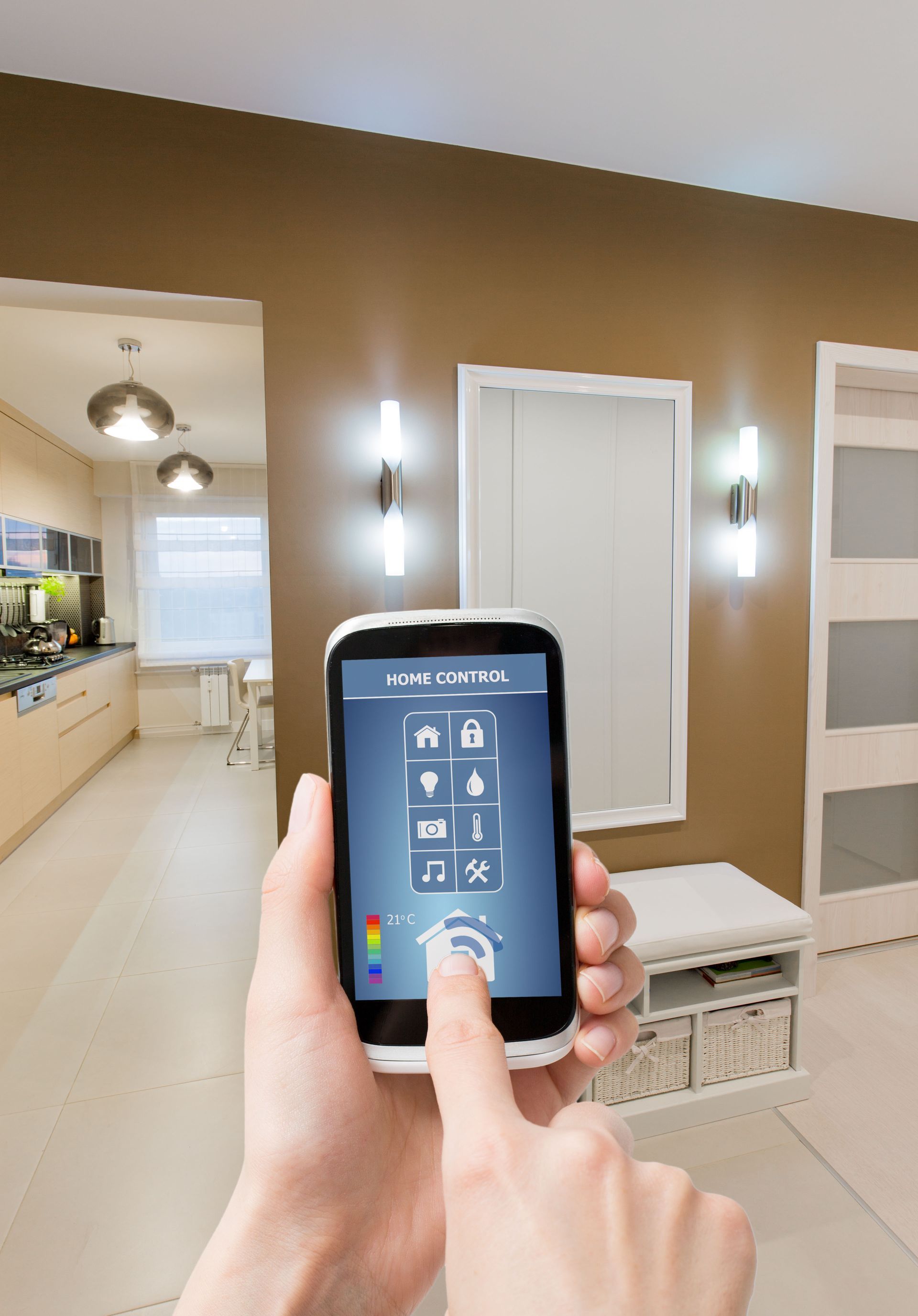
The primary appeal of smart home systems lies in their ability to act as a digital brain for the household. In a traditional home, adjusting the thermostat, checking the door locks, and dimming the lights require individual, manual actions throughout the day. With an integrated system, these functions are unified under a single interface. Whether through a wall-mounted hub or a mobile application, homeowners can oversee their entire property at a glance. This centralization reduces the mental load of managing a home, ensuring that you never have to double-back to check if the oven was left on or if the garage door is closed.
One of the most critical aspects of effective management is the concept of interoperability. In the early days of home automation, users often struggled with devices that refused to communicate with one another. Today, however, the industry has moved toward unified protocols, allowing a smart doorbell from one brand to trigger the hallway lights of another. This ecosystem approach ensures that your home functions as a singular, cohesive organism. When your security system detects you have left the geofence of your property, it can simultaneously arm the internal sensors, adjust the smart thermostat to an eco-setting, and power down non-essential appliances to prevent phantom energy draw.
Optimizing Energy Efficiency and Climate Control
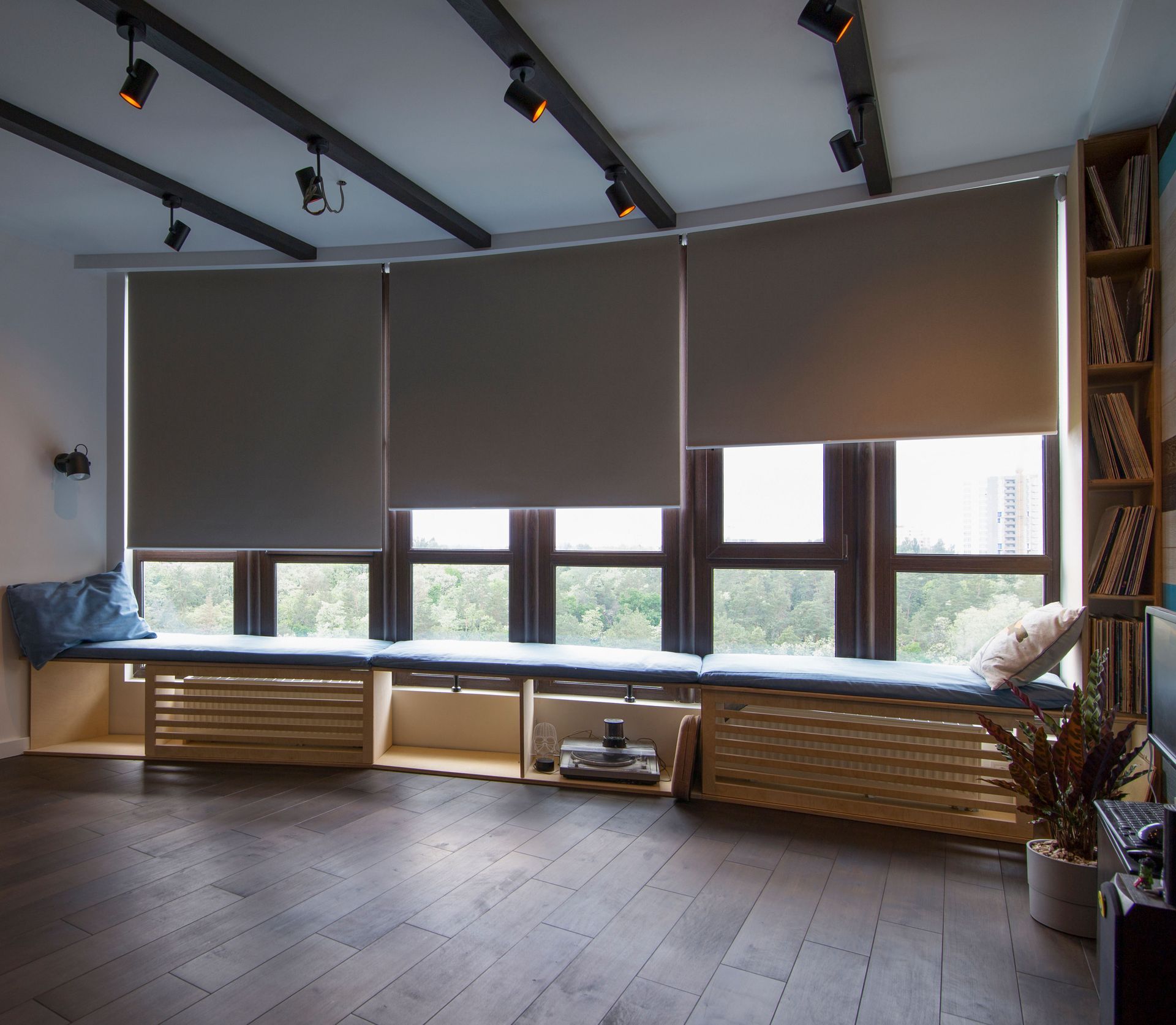
Modern smart home systems excel at reducing environmental impact while simultaneously lowering utility costs. Smart thermostats learn your daily patterns, automatically lowering the heat or air conditioning when the house is empty and pre-cooling rooms just before you arrive home. Automated window treatments can react to the position of the sun, closing during the hottest part of the day to reduce solar gain. These micro-adjustments result in significant energy savings over time. By letting the system handle the nuances of climate management, you enjoy a perfectly tempered home without the constant need to monitor the settings.
The demographic data from SQ Magazine highlights a fundamental change in property valuation based on these efficiencies. For homeowners under 35, these systems are often expected features. This generation of digital natives views a home without high-speed connectivity and automated controls as functionally obsolete. This shift is driving a transformation in the real estate market, where homes equipped with integrated smart hubs and high-efficiency energy monitors spend significantly less time on the market. For these owners, the value lies in the found time and reduced friction that automation provides, allowing them to balance high-pressure lifestyles with a restorative home environment.
Enhancing Security through Intelligent Monitoring
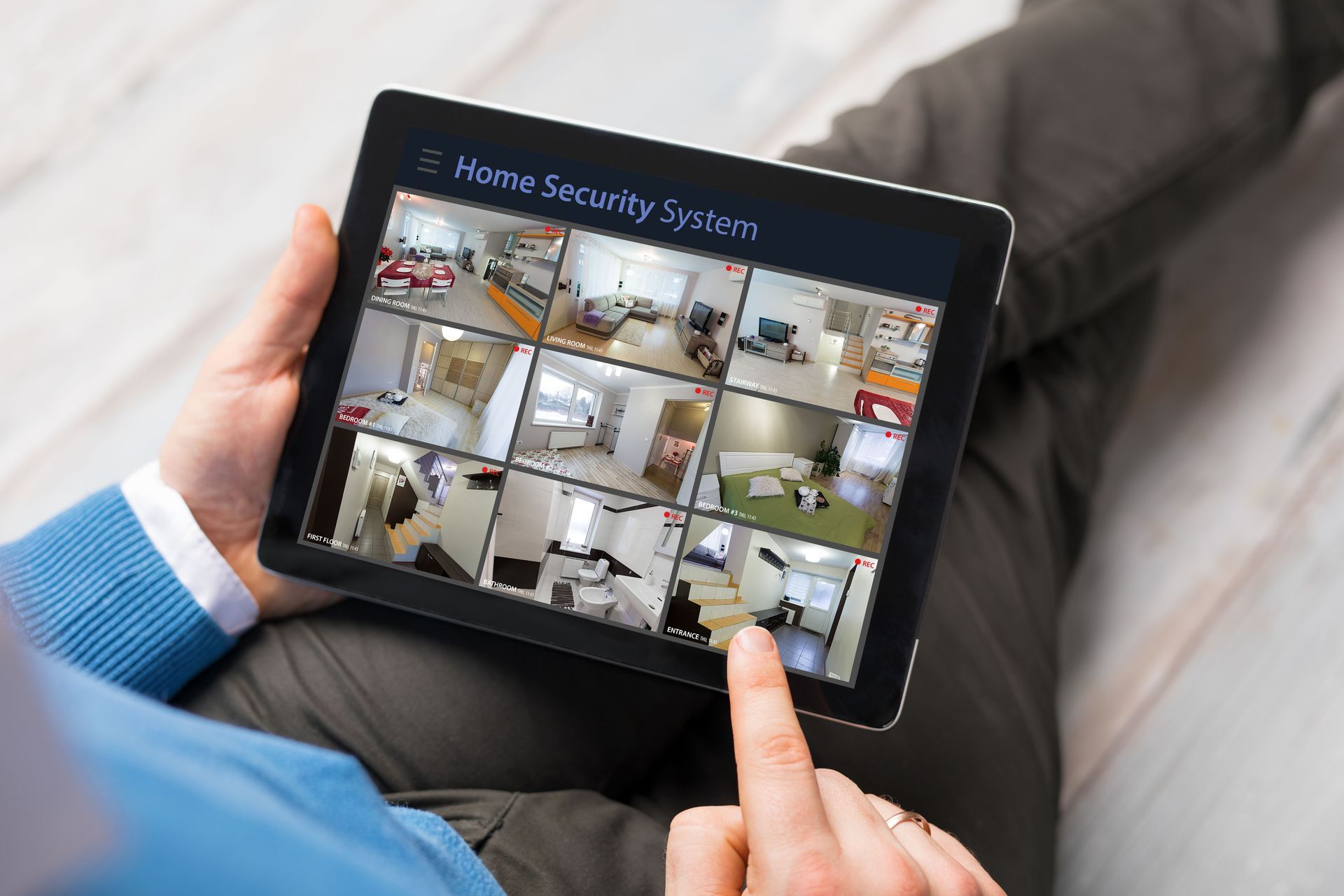
Security is a cornerstone of any domestic routine, and smart home systems provide a level of oversight that traditional locks and alarms cannot match. Integrated security networks allow for real-time video monitoring, smart locks with customizable entry codes, and motion-activated lighting that can distinguish between a neighborhood pet and a potential intruder. Many systems offer vacation modes that mimic your usual patterns by turning lights on and off or playing music to give the appearance of an occupied home. This proactive approach to safety provides a profound sense of peace, allowing you to monitor your sanctuary from anywhere in the world.
Beyond daily security, these systems serve as a sophisticated early-warning network for property preservation. Traditional home damage, such as a slow pipe leak or a failing HVAC capacitor, often goes unnoticed until it results in a costly emergency. Smart sensors change this dynamic by providing instant leak detection alerts to your smartphone the moment moisture is detected near a water heater or dishwasher. They also provide air quality notifications when CO2 levels rise or when HVAC filters need replacement to maintain peak system efficiency.
Streamlining Morning and Evening Routines
Automation shines most brightly during the transition periods of the day. Imagine a morning routine where your smart home systems gradually brighten the bedroom lights to simulate a natural sunrise, start the coffee maker, and read out the day's weather and traffic report as you wake. In the evening, a single command can lock all exterior doors, arm the security system, and set the perfect sleeping temperature. By automating these predictable sequences, you reclaim valuable minutes each day, reducing the friction of daily chores and creating a more rhythmic, stress-free household flow.
The true beauty of modern automation is the ability to be hyper-personalized. No two routines are exactly alike, and modern software allows for an unprecedented level of scene creation. A focus mode might dim the lights in the peripheral rooms while brightening the desk lamp and activating white noise in the home office. A dinner party scene could lower the shades, cue a specific playlist, and set the dining room lighting to a warm, amber glow. This level of environmental tailoring ensures that the home is always perfectly calibrated to the emotional and functional requirements of the moment, making it a true reflection of the inhabitant's personality.
The integration of smart home systems is a strategic investment in both your property's value and your personal well-being. By bridging the gap between hardware and lifestyle, these systems provide a level of convenience that was once the stuff of science fiction. Whether it is through the energy-saving benefits of an automated thermostat or the profound security of a connected camera network, the modern home is now capable of looking after its inhabitants.
The transition to a connected home is a journey toward a more intentional way of living. When you remove the small, nagging tasks of home management, you create space for better rest, more productive work, and deeper connections with family. By embracing the power of automation, you are not just upgrading your gadgets; you are upgrading your daily experience. A well-designed system ensures that your home works for you, providing a seamless backdrop to a life well-lived. This commitment to domestic intelligence ensures that your sanctuary remains an efficient and restorative place to dwell.
Is your daily routine ready for a digital upgrade to enhance your comfort and security? Connect Vineyard Home today to explore how integrated
smart home systems can transform your living space into a more efficient and responsive environment!












Share On: